
Are Dental Implants Worth It? Pros, Cons, and Real-Life Considerations
Table of Contents
- Introduction
- Benefits of Dental Implants
- Potential Drawbacks
- Real-Life Considerations
- Making an Informed Decision
Making the choice to replace missing teeth isn't just about restoring your smile—it’s a significant health decision with lasting impacts on your oral well-being, self-confidence, and daily comfort. Tooth loss affects millions each year, altering not only appearance but also how we eat, speak, and even feel about ourselves. Among the available tooth replacement options, dental implants have emerged as a leading solution, celebrated for their lasting value, stability, and remarkably natural look and function. Choosing the right provider of dental implants Louisville, KY is just as important as choosing the treatment itself. The right decision comes from weighing every advantage, potential disadvantage, and practical consideration to ensure a solution that fits your unique needs and goals.
If you’re feeling overwhelmed by the choices, you’re not alone—deciding how to restore your smile is a big step. That’s why this comprehensive guide goes beyond the basics, thoroughly exploring the benefits, potential drawbacks, and practical realities of living with dental implants. With these insights, you’ll be equipped to make a decision that aligns with your long-term health and lifestyle goals.
Benefits of Dental Implants
For many individuals seeking a lasting solution to tooth loss, dental implants have truly revolutionized the field of restorative dentistry. Let’s explore why these sophisticated fixtures often surpass more traditional options such as dentures or bridges:
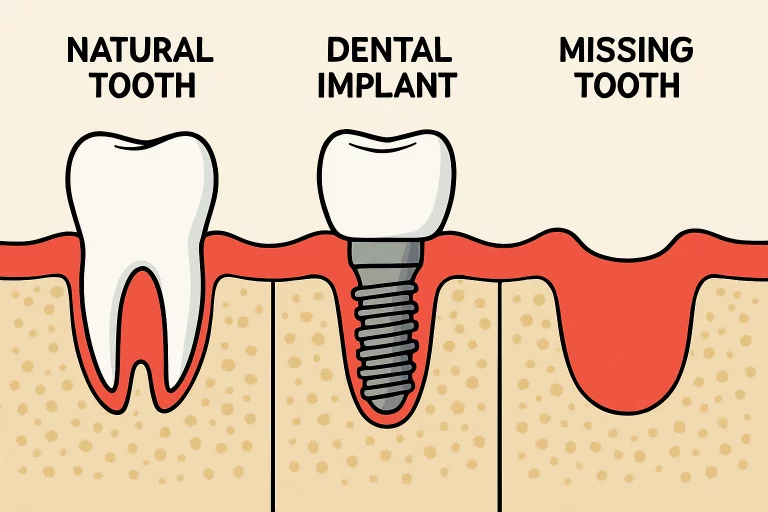
- Natural Appearance and Functionality: Dental implants are meticulously designed to replicate natural teeth's aesthetics and mechanical function. Each implant is custom-made, ensuring that the color, shape, and size match your existing teeth for a seamless transition. The implant is anchored directly into the jawbone, providing stability that allows you to bite, chew, and speak with assurance, eliminating the fear of slippage or discomfort often experienced by denture wearers. This close mimicry of natural teeth not only enhances your ability to enjoy your favorite foods but also delivers a significant boost in self-confidence.
- Durability and Longevity: When properly cared for with daily oral hygiene and regular dental visits, dental implants can last for many decades and, in numerous cases, a lifetime. Unlike bridges or removable dentures, which often need to be replaced every 5 to 10 years due to wear, changes in fit, or breakage, dental implants are a one-time investment that delivers consistent, dependable results for the long run. This durability can translate into peace of mind and cost savings over time.
- Bone Preservation: Beyond restoration of function and aesthetics, implants play a critical biological role by stimulating the jawbone, similar to a natural tooth root. This ongoing interaction helps prevent the bone loss that typically occurs once a tooth is gone, which helps preserve the natural contours of your face and reduces the risk of developing the sunken, prematurely aged look often associated with missing teeth. The result is not just a great-looking smile, but also maintenance of your overall facial structure.
- Improved Oral Health: Dental implants offer notable advantages over traditional bridges, which often require the neighboring healthy teeth to be altered and crowned to support the new tooth. Implants are independent structures that leave your adjacent teeth untouched and maintain more natural tooth enamel. Additionally, because implants can be cleaned just like regular teeth—with easy brushing and flossing—they contribute to better gum health and an overall reduction in future dental complications.
Potential Drawbacks
While dental implants provide a multitude of benefits, it is important to be fully aware of the possible downsides and challenges before committing to this path:
- Cost: The upfront investment for dental implants is notably higher than that of traditional tooth replacement methods. On average, a single implant can range from $3,000 to $6,000, depending on additional factors like imaging, extraction needs, and the materials used. Comprehensive or full-mouth reconstructions can cost significantly more. However, it’s crucial to recognize that this higher initial cost can be balanced by the long-term durability and reduced maintenance of implants. Many dental offices, including those specializing in dental implants, offer financing plans or phased treatment options to make these life-changing restorations accessible.
- Surgical Procedure: Getting a dental implant is a precise surgical process involving the placement of a titanium post within your jawbone. Like all surgeries, this comes with health risks, including infection, nerve injury, sinus complications (especially with upper jaw implants), and implant failure if osseointegration does not occur as expected. Patients must build healing time into their plans—typically several months for the implant to properly bond with the jawbone before the final crown is attached, which may delay the instant gratification often expected with dental work.
- Not Suitable for Everyone: Unfortunately, not every patient is an ideal candidate for dental implants. Uncontrolled chronic conditions such as diabetes, immune deficiencies, or serious gum disease can negatively affect the body’s ability to heal and integrate the implant. In some cases, patients with insufficient jawbone density may need preparatory procedures like bone grafting or sinus lifts prior to implant placement, adding time, complexity, and cost to the process.
Real-Life Considerations
Beyond weighing just the pros and cons, it’s essential to consider the practical aspects of life with dental implants to ensure the most appropriate decision for your situation:
- Time Commitment: The entire dental implant process is not completed in a single visit. From your initial consultation and comprehensive evaluation—including 3D imaging, impression-making, and medical review—through surgical placement, healing, and crown attachment, the journey can span anywhere from three months to a year. Patient perseverance is key, but the long-term benefits consistently prove worth the investment in time for most.
- Oral Hygiene Maintenance: Just like with natural teeth, diligent oral hygiene is absolutely vital with dental implants. You’ll need to brush, floss, and visit your dental hygienist regularly for professional cleanings. Neglecting proper care can lead to peri-implantitis—a gum disease-like infection around the implant post—that may threaten the longevity of your new smile. Ongoing maintenance is crucial to minimize risks and protect both your health and investment.
- Financial Planning: While the cost of implants may initially seem daunting, many patients find the value in fewer replacements and complications over time. It’s wise to review your dental insurance to see if any aspect of implant treatment is covered. Additionally, many offices provide flexible financing plans or third-party payment programs specifically for dental procedures, helping you break down costs into manageable monthly payments. By addressing affordability early, you can safeguard against future unexpected expenses.
Making an Informed Decision
Ultimately, deciding whether to proceed with dental implants is a deeply personal choice that requires honest evaluation of your medical condition, lifestyle, expectations, and budget. Schedule a consultation with an experienced implant dentist who can assess your unique anatomy, discuss preparatory treatments if needed, and map out a clear, realistic treatment plan. Transparent communication ensures you aren’t left with unanswered questions and can move forward confidently, fully aware of every step in the process.
To gain a deeper understanding of the nuanced pros and cons of dental implants, explore in-depth patient-oriented analysis from external, trusted resources. For a comprehensive look at associated risks, possible complications, and how these factors compare to the many rewards, see this thorough guide: The Pros and Cons of Dental Implants: Are They Worth It?. Making use of external expertise allows you to approach this decision from every angle with the facts you need.
By carefully weighing all the benefits, acknowledging possible challenges, considering real-life logistics, and involving knowledgeable dental professionals in your decision-making, you can determine whether dental implants are truly the right choice to restore your function, appearance, and confidence for the years ahead.
- Understanding Plumbing Challenges and Solutions in Rogers, Arkansas - July 24, 2026
- Dental Implants in Rapid City, SD: Restoring Smiles for the Community - July 24, 2026
- Innovative Vision Solutions for the Modern Era - July 22, 2026


